Marine Insurance – Starting at ₹473
Coverage You Can Count on, protect your goods against the unexpected.
 To buy marine open policy
 Premium calculator(Requires manual entry. Mobile Number not required)
 Instant issuanceDedicated helpdeskZero documentation
Marine Insurance
Moving goods safely is not always in your control. Marine Insurance provides financial protection if your goods are lost or damaged during transit.
Government reports noted a 21.6% rise in shipping-related incidents in 2024, including collisions and other operational issues. These numbers highlight one thing: even well-planned shipments can face unexpected challenges.
This is why a marine insurance policy is essential. So, whether you’re exporting, importing or transporting goods within India or internationally, having the right cover gives you confidence.
At TATA AIG, we offer marine insurance with both domestic and global coverage. Our flexible plan supports businesses of all sizes and natures.
Explore marine insurance meaning and different policy options to ensure your cargo moves safely, with complete protection.
Quick Summary
Marine insurance plans are designed to provide financial protection to businesses that involve the transportation of cargo.
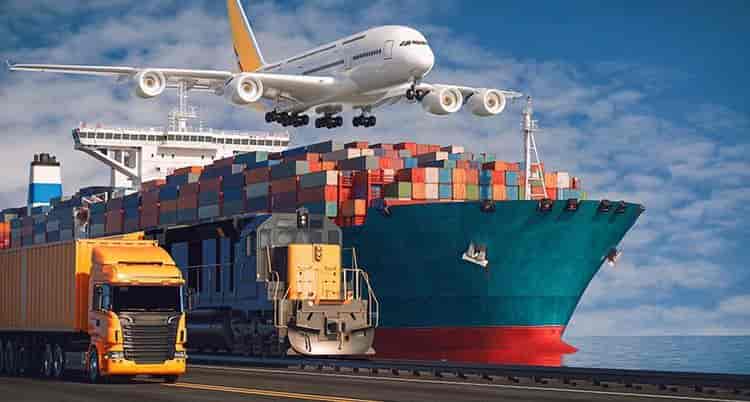
It covers loss or damage to goods during transit via sea, air, inland waterways, road, or rail.
Marine insurance is important to ensure legal compliance, reduce financial risks, and ensure business continuity.
Marine insurance plans are categorised based on geographical classification, type of contract, nature of coverage and business requirements.
Marine insurance coverage and exclusions are based on standard marine insurance clauses.
It covers loss or damage to goods caused by various risks such as fire, explosions, and sinking or collision of vessels.
It does not cover loss or damage in specific scenarios, such as unprotected goods, water table level changes, and theft without forced entry.
With TATA AIG, you can get customisable marine insurance coverage, specific to your business needs.
What is Marine Insurance?
Marine insurance covers your goods while they are being transported by sea, air, road, rail or inland waterways. It compensates your business for financial losses if the cargo is lost or damaged during transit.
It broadly includes cargo insurance (for goods in transit) and hull insurance or vessel insurance (for damage to vessels, machinery or equipment).
In India, marine insurance is governed by the Marine Insurance Act, 1963 and regulated by the Insurance Regulatory and Development Authority of India (IRDAI).
Our policies are aligned with international trade terms like CIF (Cost, Insurance and Freight), FOB (Free On Board), DDP (Delivered Duty Paid) and EXW (Ex Works).
How Does Marine Insurance Work?
Policy Purchase - Buy marine insurance from TATA AIG before shipping your cargo.
Coverage Activation - Your policy covers loss or damage to cargo caused by risks such as natural disasters and man-made damages.
Reporting a Loss - In case of loss or damage, you can file a claim with TATA AIG to be compensated for the loss.
Claim Process - We investigate the claim and determine the compensation
Claim Settlement - The settlement amount is usually based on the value of the cargo and the extent of the loss.
Why is Marine Insurance Important?
Reduces Financial Risks and Losses
Stay protected from significant financial losses. This ensures your business doesn’t face high, unexpected costs due to risks during transit.
Promotes Safe Global Trade
Nearly 95% of India’s trade by volume moves by sea. With so much at stake, insurance ensures goods move safely, and businesses stay protected.
Ensures Business Continuity
With insured shipments, a major loss doesn’t affect your operations. It helps you recover faster and maintain a steady cash flow even after a setback.
Meets Legal and Contract Obligations
Many countries and shipping contracts require marine insurance. Having marine insurance ensures legal compliance and helps avoid legal issues or fines.
Helps Your Operations Run Smoothly
Because losses are covered, delays and disruptions are reduced. You can schedule shipments, manage inventory, and avoid costly interruptions.
Builds Trust and Reputation
Your clients and partners see you as a responsible and credible business. This strengthens trust and helps you build long-term relationships in the global trade network.
TATA AIG Marine Insurance Features
Marine insurance offers a critical layer of protection for businesses involved in transporting goods across domestic and international borders. Here are the key features of marine insurance:

Multiple Policy Types
Choose from Annual Open Policy, Mixed Policy, Specific Voyage, Time or Annual Turnover policies and more. Whether it’s a single shipment or multiple consignments over a year, there’s a shipping policy tailored for you.
Comprehensive Coverage Against Marine Risks
Get covered for loss or damage to goods due to fire, natural disasters, collisions, theft or piracy. Our plans also cover loading and unloading, ensuring protection at every stage.
Global Coverage Options
Choose our Open Policies for global shipments, trades between different companies and Difference-in-Conditions (DIC). Manage local regulations and legal differences globally with us.
E-Marine Portal for Easy Management
Access your policies, issue certificates, and track claims 24×7 through our innovative marine solutions - the e-Marine portal. Enjoy seamless, paperless operations for smoother logistics.
Flexible Valuation Options
Insure your cargo based on invoice value, market value, or cost and freight (CFR). Choose the valuation that is suitable for your business and avoid overpaying.
Special Cargo Coverage
Our special cargo solutions provide tailored protection along with expert loss-prevention support for unique shipments like high-value, fragile or perishable goods.
Types of Marine Insurance Policies
Marine insurance plans can be classified into the following categories:
Based on Geographical Classification
- Inland Transit/ Domestic Policy - Covers the transportation of goods within India.
- Import Policy - Covers goods being transported from a foreign country to India.
- Export Policy - Covers goods being transported from India to a foreign country.
Based on the Type of Contract
- Marine Cargo Open Policy- A marine open policy is ideal for businesses with frequent shipments. It covers multiple consignments over a fixed period. Premiums are calculated on declared values.
- Specific Policy - This commercial marine insurance plan suits businesses with occasional shipments. It covers only one declared consignment at a time. Premiums are calculated individually per shipment.
Types of Marine Insurance Policies Based on the Nature of Coverage and Business Requirements
Export and Import Insurance
TATA AIG’s Import and Export Insurance protects goods moving across international borders. It is designed for exporters, importers, and businesses engaged in global trade.
Inland Marine Insurance
TATA AIG’s Inland Marine Insurance covers goods transported within India by road, rail, air, sea or inland waterways. Ideal for manufacturers, domestic traders, wholesalers and distributors.
Marine Cargo Insurance
TATA AIG’s Marine Cargo Insurance protects goods during domestic or international transit, including loading, unloading, and temporary storage. Suitable for SMEs, traders, e-commerce businesses, exporters and manufacturers.
Hull Insurance
Hull Insurance or boat insurance safeguards vessels, onboard equipment, and machinery against collision, grounding, fire, and other maritime accidents. Best suited for ship owners, vessel operators, fishing companies and charterers.
Marine Freight Insurance
TATA AIG’s Freight Insurance covers the loss of freight charges when cargo is damaged or not delivered. Ideal for freight forwarders, logistics companies, shipping lines, and exporters.
Marine Transit Insurance
Marine Transit Insurance policy protects goods across India or internationally. Ideal for SMEs, retailers, traders, manufacturers and courier/logistics partners with frequent or high-value consignments.
Marine Liability Insurance
Marine Liability Insurance covers legal liabilities arising from damage to third-party vessels, cargo, or property. It is well-suited for shipping companies, port operators, logistics providers, warehouses, and marine contractors.
What is Covered in Marine Insurance? - Marine Insurance Clauses
Inland Transit Clause (ITC)
This clause protects your goods when they are being transported within the country, usually by road, rail or inland waterways. It covers risks like accidents, theft, fire, or damage during loading/unloading.
Its purpose is to ensure your cargo is protected from the moment it leaves the warehouse until it reaches its destination within India. This clause is essential for businesses that move goods across cities or states. Simply put:
- ITC A offers comprehensive coverage against all risks except for specific exclusions.
- ITC B provides limited coverage for damage caused by fire, collision, derailment, overturning, or other accidental events.
Institute Cargo Clause (ICC)
The Institute Cargo Clauses are internationally accepted terms that define what risks are covered when goods travel by sea, air or a combination of multiple transport modes.
There are usually three types (A, B and C), each offering a different level of protection:
- ICC (A), known as All Risks cover, offers the broadest protection, covering all accidental losses or damages unless specifically excluded.
- ICC (B) offers medium-level coverage, including everything in ICC (C) plus losses due to earthquakes, volcanic eruptions, lightning, water ingress and packages lost overboard.
- ICC (C) provides basic protection, covering losses caused by fire, explosion, vessel grounding or capsizing, land vehicle overturning, collisions, discharge at port of distress, jettison and general average sacrifice.
Understanding these clauses can help you select appropriate coverage based on the nature, value and transit risks of your cargo. The broader the clause (A > B > C), the greater the risk protection, and the higher the premium.
Read More: Clauses Covered in Marine Insurance
Additional Clauses
Additional clauses are extra conditions in the policy that explain when your goods will be covered, and when they won’t.
Here are some clauses that describe situations where loss or damage may be covered.
- Accumulation Clause - If the goods get accumulated at one location due to reasons beyond your control, the policy will cover them up to twice the specified limit.
- Airfreight Replacement Charges Clause - If goods are damaged, the policy covers the cost of airfreight charges for repair or replacement, even if the original shipment was not by air.
- Buyers’ Interest Clause - If you are the buyer and if the seller’s insurance fails to cover the loss or damage to goods, your policy covers the loss.
- Debris Removal Clause - If your cargo is damaged due to an insured event, the policy also covers the cost of removing debris up to the specified limit.
- Fumigation Clause - If your goods are damaged by the process of chemical fumigation, the policy will cover the loss.
- General Average Clause - When a claim is calculated based on “General Average”, the value of your goods will be treated as fully insured and paid accordingly.
- Packing Clause - If your goods are damaged due to improper packing done by a third party, and you were not aware of it, your claim will be covered.
- Repacking Clause - If the outer packing of your goods gets damaged, which affects their safe transportation, the policy covers the cost of repacking the goods.
What is Not Covered in Marine Insurance?
Damage due to External or Environmental Conditions
These are some of the exclusions under the marine insurance coverage:
Damage to Unprotected Goods: Rust, oxidation, and/or discolouration of unpacked, unprotected, and uncrated goods, regardless of the cause.
Damage due to Climate and Temperature Changes: Losses or damages to the cargo due to climate or atmospheric conditions, or extreme changes in temperature.
Damage due to Water Table Level Changes: Damages caused to the goods due to changes in the water table level
Operational and Internal Losses
Electrical or Mechanical Breakdown: Electrical and/or electronic and/or mechanical derangement and/or breakdown, unless caused by a covered peril.
Unknown Loss: Unexpected disappearance and/or stock-taking losses of any kind.
Unknown Loss in Exhibition Stands: Unexpected disappearance and/or stock-taking losses from exhibition stands when left unattended during published opening hours.
Theft-related Losses
Theft without Forced Entry: Theft or attempted theft, unless it involves forcible and/or violent entry.
Theft by Employees: Theft involving employees.
Please note: These are some of the common exclusions. Please refer to the policy wording for the complete details and specific conditions that apply.
Types of Transportation Modes Covered Under Marine Insurance
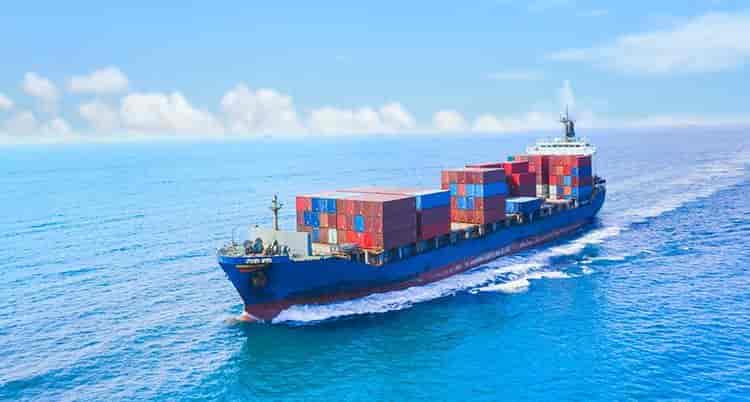
Sea or Ocean Transport
Coverage for goods shipped via cargo vessels across international and domestic waters.
Inland Waterways
Protection for goods transported on rivers, canals, and other navigable inland routes.
Air Transport
Protection for cargo moved via air freight, including international consignments and express logistics.
Road Transport
Coverage for inland cargo transportation by trucks, trailers, and commercial road carriers.
Rail Transport
Insurance for goods transported through railway networks within the country or across borders.
What are the Top Commodities Covered in Marine Insurance
Some of the top insured commodities under marine insurance include:
Electronics and machinery | Pharmaceuticals and medical supplies | Automotive parts and vehicles | Textiles and garments |
Agricultural produce and food items | Chemicals and hazardous goods | Crude oil and petroleum products | Metal and mineral shipments |
Who Needs Marine Insurance?
- Importers and Exporters
- Manufacturers
- Traders and Wholesalers
- Retailers
- Logistics Companies
- E-commerce Businesses
Top Benefits of Buying Marine Insurance Policy from TATA AIG
Global Presence
With operations in over 130 countries, TATA AIG ensures your shipments are protected wherever they go.
Trusted Strength and Backing
As part of the TATA Group, we bring credibility, financial stability and dedicated expertise to every policy.
Advanced Risk Management
Our Marine Loss Control Engineering (MLCE) team identifies potential hazards, helping you prevent losses before they happen and keeping your business running smoothly.
Tailored Support for Multinational Operations
Our Multinational Cargo Transport Program ensures consistent coverage for companies with cross-border operations, making global trade simpler and more reliable.
How to Buy?
Navigate to the marine insurance calculator at the top of this page.
Provide the required details, such as the commodity type, type of voyage, and invoice value and click on “Get Plan”.
Our team will contact you with a personalised quote and guide you through the buying process.
Details Required to Buy
- Business Details: Customer or company name, registration information and nature of trade. Transportation Details
- Type of goods Mode of transport (air, sea, road, rail) and proposed shipping route. Value of Goods
- Total cargo value: Including freight, duties and additional charges.
- Type of Coverage: Preferred marine insurance policy (All Risk, Named Perils, etc.) and the sum insured.
- Documentation: Commercial invoices, trade contracts and shipping-related documents like the bill of lading.
- KYC Verification: Identity proof and relevant financial documentation for regulatory compliance.
Please Note: Requirements may vary based on the nature of cargo and business operations. It’s advisable to consult a TATA AIG representative for personalised guidance before you buy marine insurance.
How to Claim
Inform TATA AIG and the Relevant Authorities - Inform TATA AIG and the relevant carriers, port authorities, or bailees responsible for shipping if any packages are missing. .
Initiate the Claim - Go to our claims page, click “Initiate a Claim”, and select Marine. Enter your policy number, the policy start date and the date of loss. Click Confirm.
Provide Required Details - Proceed to provide further information and upload any required documentation to verify your claim and await confirmation.
Surveyor Investigation - A surveyor will investigate the circumstance and cause of damage, assess the extent of loss and prepare a report.
Claim Settlement - Based on the surveyor’s report and marine insurance policy conditions, the claim will be processed and settled considering the policy conditions.
Documents Required to Claim
Given below are the documents needed to file a claim under marine insurance:
Original policy or marine insurance certificate
Original Bill of Lading and/or another contract of carriage.
Original copy of shipping invoices, with the packing list and/or weighment notes.
Landing remarks/account and weighment notes at the final destination
The survey report and other documentary evidence, if available, show the extent of the loss or damage.
Correspondence exchanged with the carriers and other parties regarding their liability for the loss or damage.
To enable claims to be dealt with promptly, the assured or their agents are advised to submit all the supporting documents without delay, including the items mentioned above.
What Factors Determine the Cost of Your Marine Insurance Plan?

Nature and Type of Goods
High-value items, such as perishable goods or hazardous chemicals, attract higher premiums due to their susceptibility to damage and lower recoverability.
Mode of Transport & Shipping Route
Routes with a higher risk of piracy, adverse weather or geopolitical instability often carry higher premiums.
Type and Extent of Coverage
A comprehensive All-Risk policy will be more expensive than a basic policy.
Frequency of Shipment
One-time shipment cover and annual covers will have different premiums.
Safety Measures & Risk Assessment
Use of safety devices, secure packaging and adherence to regulatory standards may reduce premiums.
What is the Marine Insurance Act and Why You Should Know It
The Marine Insurance Act of 1963 is the primary legislation governing marine insurance contracts in India. It establishes a uniform legal framework for the formation, content and enforcement of marine insurance policies.
The Act defines marine insurance, outlines the rights and duties of insurers and insured parties, and provides guidelines for premium payments, claim settlements, subrogation and assignment of rights. It also details the procedure for resolving disputes.
Key provisions cover losses due to perils of the sea, piracy and other maritime risks. The Act further regulates marine insurers and agents, ensuring transparency and fairness in the marine insurance sector under the oversight of the Insurance Regulatory and Development Authority of India (IRDAI).

Marine Insurance Principles
Marine insurance is based on certain guiding principles that bring clarity for both the insurer and the insured.
Here are the main ones in simple terms:
Good Faith
Both the insurer and insured must disclose all relevant information truthfully, ensuring transparency and avoiding fraud.
Insurable Interest
To be eligible for coverage, the policyholder must have a legal or financial stake in the cargo or vessel.
Indemnity
Insurance compensates only for actual loss, aiming to restore - not profit - the insured to their original financial position.
Contribution
If multiple policies cover the same risk, each insurer contributes proportionally to the claim.
Proximate Cause
The insurer is liable only if the covered peril is the direct cause of the loss.
Subrogation
After settling a claim, the insurer can recover the loss amount from the third party at fault.

Frequently Asked Questions
Is Marine Insurance Mandatory?

Marine cargo policy is not legally mandatory in India for all cargo movements. However, it is strongly recommended, especially for businesses engaged in international trade or high-value shipments. Many exporters, importers and logistics partners opt for marine cargo insurance to protect against loss, damage or delays during transit by sea, air, road or rail.
Moreover, under certain international contracts, the seller is contractually obligated to provide insurance. This makes marine insurance a business necessity, even if not a legal one.
What are the eligibility criteria for marine insurance?
Businesses involved in the transportation of goods can purchase a marine insurance policy. It can be purchased by import or export merchants, buyers, sellers, banks, manufacturers, contractors, ship owners, freight forwarders, port authorities, charterers, etc. Here are a few important aspects to consider.
Ownership: You need to establish proof of ownership or responsibility in the business involving the transportation of goods.
Type of Goods: The goods being shipped and transported should be legally permissible. There must be a record of the registration.
Type and Purpose of Transportation: The mode of transportation and the purpose need to comply with the marine insurance policy conditions.
Registration of Vessel: The vessel that is being used needs to be registered for the transportation of goods.
Legal Compliance: The transportation of goods should comply with the applicable domestic and international shipping regulations.
Safety Standards: The stakeholders need to establish the necessary safety standards.
Documentation: All the necessary supporting documents, including invoices, bills of lading, etc., need to be gathered with proper authorisation.
What is the difference between inland marine insurance and ocean marine insurance?
Inland marine insurance covers property in transit over land, while ocean marine insurance covers property transported over water. Inland marine insurance policies may cover goods in transit by truck, rail or air, while ocean marine insurance policies are typically used for cargo being transported by ship or boat.
How do marine insurance policies define "perils of the sea"?
"Perils of the sea" is a term used in marine insurance policies to refer to risks specific to marine transport, such as storms, sinking, and piracy. The definition of "perils of the sea" can vary depending on the specific policy and jurisdiction in which it is issued
What types of vessels are typically covered by marine insurance?
Marine insurance can cover a wide range of vessels, including cargo ships, tankers, tugboats, yachts, and pleasure craft. The type of container insurance coverage and amount of coverage can vary depending on the specific vessel and its intended use.
How do you calculate marine insurance premium?
The cost of marine insurance is determined by various factors, including the value and type of goods being transported, the distance and route of transport, and the history and experience of the insured party.
Other factors that can impact the cost of marine insurance include the age and condition of vessels, the level of risk associated with specific ports or regions, and the level of coverage selected.
What is the difference between open cover and specific cover marine insurance?
Open cover marine insurance is a standing agreement that covers a range of shipments during the policy term, while the specific cover is tailored to a specific shipment. Open cover policies are used by companies that engage in frequent shipments and need ongoing coverage, while specific cover policies are used for individual shipments.
What is an Institute Cargo Clause, and how does it affect marine insurance?
Institute Cargo Clauses are standard terms used in marine insurance policies to define the coverage provided for cargo. The clauses outline the specific risks and perils that are covered, as well as any exclusions or limitations on coverage. Institute Cargo Clauses can help standardise coverage and reduce confusion in the marine insurance industry.
What is the role of a marine surveyor in the marine insurance process?
Marine surveyors are experts who assess and examine the condition of vessels and cargo. The insurer may hire them to evaluate risks associated with a specific shipment or vessel, or they may be used to investigate losses or damage that have occurred. The surveyor's report can be used in the underwriting process and to resolve disputes related to claims.
What is General Average, and how does it relate to marine insurance?
General Average is a legal principle that requires all parties involved in a maritime voyage to proportionally share the losses incurred as a result of a deliberate act to save the vessel or cargo. Marine insurance policies may include coverage for General Average losses, depending on the policy's specific terms.
How does marine insurance handle environmental risks such as oil spills?
Marine insurance policies can include coverage for pollution liability, covering costs associated with an oil spill or other environmental damage caused by a vessel or its cargo. The specific terms of coverage for environmental risks can vary depending on the policy and the jurisdiction in which it is issued. Some policies may include exclusions or limitations on coverage for certain types of environmental damage.
How do marine insurance policies address political risks and war risks?
Marine insurance policies can include coverage for political risks and war risks, such as damage or loss caused by acts of war, civil unrest, or political upheaval. This coverage may include specific exclusions or limitations on coverage. The specific terms of coverage for political and war risks can vary depending on the policy and the jurisdiction in which it is issued.
Are there any special considerations for marine insurance in international trade?
Marine insurance for international trade can be more complex than domestic marine insurance, as it may involve multiple jurisdictions and legal systems. It is important for policyholders to carefully review the international trade agreements and country-specific legal requirements.
What are the consequences of not having marine insurance?
The consequences of not having marine insurance can be severe, as the costs associated with a loss or damage can be significant. In addition to the financial impact, not having insurance can also result in fines, legal liability and damage to a company's reputation.
Can marine insurance policies be customised to fit specific needs and risks?
Yes, marine insurance policies can be customised to fit specific needs and risks. You can work with our experts to identify the risks associated with your vessel or cargo and tailor coverage to address those risks.
How much cover should I take for Marine Cargo Insurance?
The cover amount for Marine Cargo Insurance should be based on the total value of the goods being shipped, including the cost of the goods and freight to cover incidental costs. It is essential to ensure the cover amount reflects the true value to avoid underinsurance.
What are some other names of marine insurance?
Marine insurance is also known as marine transit insurance and marine cargo insurance. However, marine insurance is not limited to offering coverage for goods transported solely by sea. It also includes other modes of transportation like rail, road and air.
What does a mixed plan offer, and why is it beneficial?
A mixed plan in marine policy offers coverage for both voyage and time plans. It is beneficial as it provides comprehensive protection for goods and versatile options for coverage.
What does an open policy cover, and for how long is it issued?
An open policy, also known as an open cover, provides continuous coverage for multiple shipments over a specified period. It covers all shipments made by the insured within the policy period, eliminating the need to take out separate policies for each shipment.
What does freight insurance refer to?
Freight insurance covers the cost of freight in the event of loss or damage to the goods during transit. It ensures that the shipping costs are recoverable, protecting the financial interests of the freight forwarder or carrier.
What is a floating policy in marine insurance in India?
A floating policy in marine insurance provides coverage for multiple shipments within a specified period under one policy, without the need to declare each shipment individually. It is ideal for businesses that regularly ship goods, offering flexibility and ease of management.
What is the basis of valuation in Marine Cargo Insurance?
The basis of valuation in Marine Cargo Insurance typically includes the cost of goods, freight and an additional percentage of usually 10% for incidental costs. This ensures the insured value reflects the total potential loss.
What is deductible in the Marine Single Transit Policy?
The deductible in a Marine Single Transit Policy is the amount that the insured must bear in the event of a claim before the insurance coverage kicks in. The deductible amount varies depending on the policy terms and the insurer.
When does the Marine Cargo Single Transit policy expire?
A Marine Cargo Single Transit policy expires once the specified transit is completed, which means when the goods reach the final destination as stated in the policy. It usually has a validity of 3 months, during which the cargo owner can file claims if needed.
When should I take Marine Cargo Insurance?
You should take Marine Cargo Insurance before the goods are dispatched for transit. This ensures that the goods are covered from the moment they leave the point of origin until they reach the final destination.
Where can I buy a one-year policy covering all my shipments?
You can buy a one-year policy covering all your shipments from TATA AIG. We offer marine insurance plans. Our policies provide continuous coverage for all shipments made within the policy period. You can compare plans on our website and choose the one that best suits your needs
Which cover should I buy - Marine Single Transit, Annual Open or Sales Turnover?
The choice between Marine Single Transit, Annual Open, or Sales Turnover cover depends on the frequency and volume of your shipments. Single Transit is suitable for occasional shipments, Annual Open for regular shipments and Sales Turnover for high-volume businesses with continuous shipments.
Which insurance company should I opt for while looking for a marine insurance policy online?
You should opt for a reputable insurance company with a strong track record in marine insurance. At TATA AIG, we offer a range of coverage options. You can get in touch with our insurance experts to know more about the marine policies that we have.
Who benefits from a floating plan, and what details are specified beforehand?
Businesses that frequently ship goods benefit from a floating plan. The amount of the claim is specified beforehand, but the details such as the maximum value per shipment, types of goods covered and geographical limits are specified after the voyage starts.
Who is deemed to have an insurable interest under a marine insurance policy?
The party that stands to suffer a financial loss if the goods are damaged or lost has an insurable interest. This includes the buyer, seller, trustees, freight forwarder, or anyone with a financial stake in the cargo.
Who is the policyholder in Marine Cargo Insurance?
The policyholder in Marine Cargo Insurance is the individual or entity that purchases the policy to protect their financial interest in the cargo being shipped.
Who should buy Marine Cargo Insurance?
Any individual or business involved in the shipping of goods from one place to another should buy Marine Cargo Insurance. This includes exporters, importers, manufacturers and freight forwarders.
Who would benefit from purchasing a voyage plan, and when does it expire?
Businesses that need coverage for a specific voyage or shipment benefit from purchasing a voyage plan. This policy expires once the specified voyage is completed and the goods reach the destination.
Why should I buy Marine Cargo Insurance?
You should buy Marine Cargo Insurance to protect against financial losses due to damage, theft, or loss of goods during transit. It provides peace of mind and ensures business continuity.
How long does it typically take to settle a claim?
The time to settle a claim varies depending on the complexity of the claim and the insurer's processes. It can take anywhere from a few weeks to several months. Prompt submission of all required documentation can expedite the process.
What does perils of the sea mean?
Perils of the sea refer to natural accidents or hazards peculiar to sea voyages, such as storms, waves, collisions, grounding and sinking. These are unforeseen and unavoidable events that can cause damage to cargo.
How do I determine the correct commodity for my shipment?
To determine the correct commodity for your shipment, consult with your freight forwarder or seek guidance from insurance experts from TATA AIG for accurate categorisation for insurance purposes.
How can I find the best marine insurance policy online?
Assess your needs: Consider the type of cargo, mode of transport and risks like theft, damage or liability.
Research the insurer: Check reputation, claim settlement ratio and customer reviews.
Compare policies: Evaluate coverage, deductibles, premiums and flexibility across different plans.
Understand exclusions: Know what’s not covered to avoid surprises during claims.
Seek clarity if needed: Contact the insurer’s support team for questions or customisation options.
TATA AIG offers tailored marine insurance plans to suit your business requirements.
What is a bill of lading?
A bill of lading is a legal document that is issued by a carrier to a shipper based on the transportation of goods. It contains details of the type of goods, quantity and the destination of goods under transit. It is an important document because it is considered the shipment receipt and proof of contractual agreement.
How does marine insurance work for small businesses?
Marine insurance for small businesses can help cover substantial financial losses related to the goods in transit against a wide range of risks. It includes damages and losses due to theft, accidents and natural disasters. By offering an affordable policy and a streamlined process, it can help prepare for effective risk management and ensure financial security. It can also enhance credibility and ensure smooth trade operations.

"Disclaimer: The content of this article is for general informational purposes only and is subject to change. It is based on information available at the time of writing.
Any insurance-related information given above cannot be interpreted as policy coverage. It should not be considered insurance, legal, regulatory, or other professional advice, or a substitute for the terms and conditions of your marine insurance policy.
Marine insurance coverage, benefits, exclusions, limits, eligibility criteria, and other applicable conditions are subject to the terms of the respective policy document. Please refer to the applicable policy document for complete details. Readers are advised to verify the latest information with the relevant authorities or official sources before making any decisions.
Any reference to marine insurance or TATA AIG is for general awareness only and does not constitute an offer, recommendation, or advice to purchase a marine insurance policy from TATA AIG. TATA AIG does not guarantee coverage for any specific claim, loss, damage, or situation based solely on the information provided in this article."